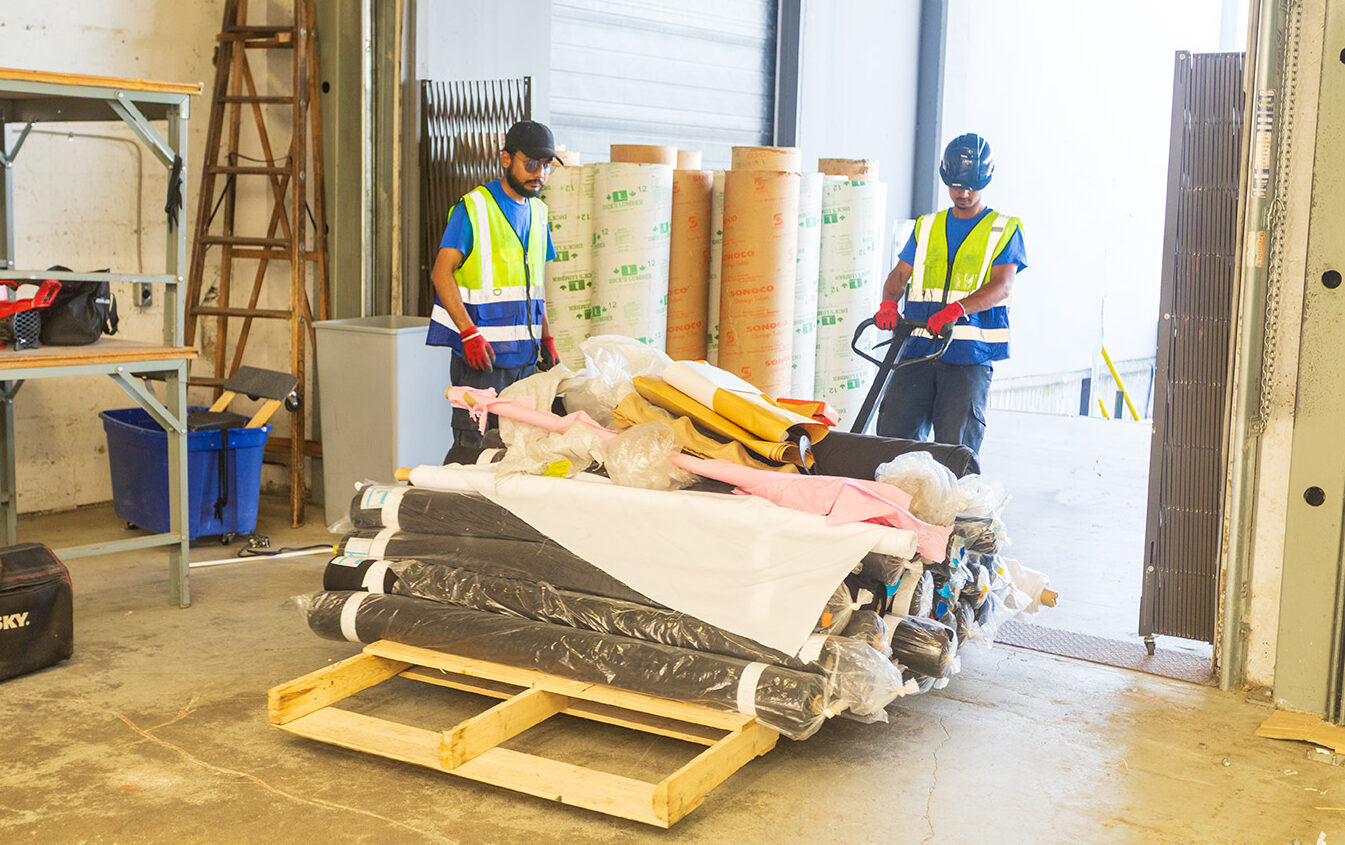
Warehouse move-outs can be chaotic, stressful, and sometimes completely overwhelming. Pallets, broken shelving, leftover equipment,…
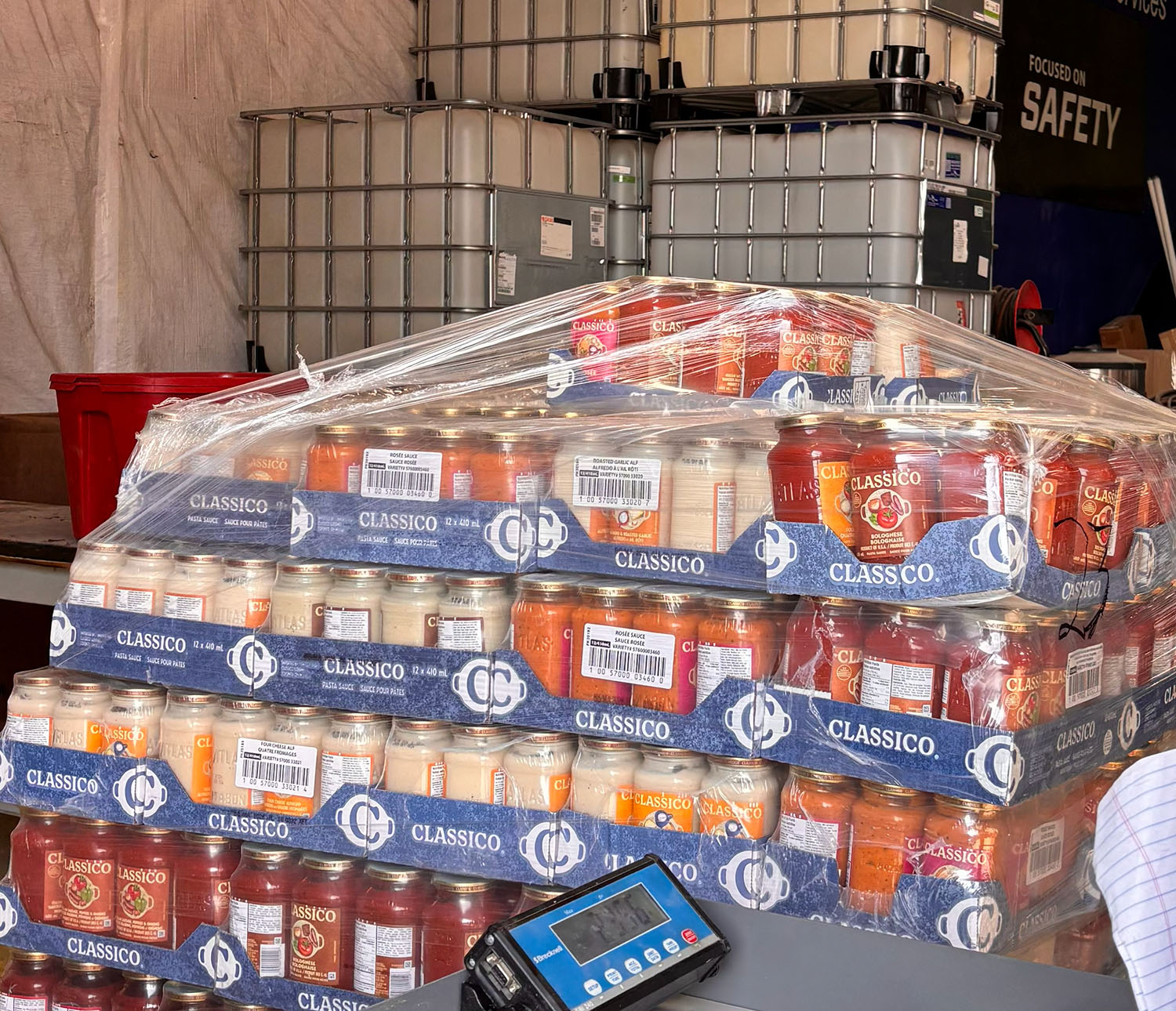
Warehouses, distribution centres, and food producers handle enormous volumes of packaged goods every day. When products expire, get damaged, or become unsellable, disposing of them isn’t as simple as tossing them in a bin. That’s where food and organic depackaging comes in.
Depackaging allows businesses to separate organic materials from their packaging so each component can be processed responsibly, reducing landfill waste, improving compliance, and cutting disposal costs.
What Is Food & Organic Depackaging?
Food and organic depackaging is the process of mechanically or manually separating organic material from its packaging. This includes removing food from plastic wrappers, cartons, pouches, or containers so the organic portion can be diverted to composting or other approved processing streams.
Common items that require depackaging include:
- Expired or unsellable packaged food
- Damaged inventory from warehouses or retail distribution
- Returned goods from grocery or food service suppliers
- Seasonal or short-dated products
- Cold storage waste with mixed materials
Instead of sending everything to landfill, depackaging allows materials to be handled more efficiently and sustainably.
Why Depackaging Matters for Warehouses and Food Businesses
Sending packaged food waste straight to landfill is costly and increasingly discouraged by municipal and provincial regulations. Depackaging offers several key benefits:
Improved Waste Diversion
Separating organic material from packaging allows food waste to be composted or processed instead of buried in landfill.
Lower Disposal Costs
Landfill tipping fees are often higher than organic processing costs, especially for heavy food waste.
Better Compliance
Many regions have restrictions on organic waste disposal. Depackaging helps businesses stay aligned with local waste bylaws and environmental requirements.
Cleaner, Safer Facilities
Removing decomposing food waste quickly reduces odours, pest activity, and workplace health risks.
Who Benefits from Food & Organic Depackaging?
Depackaging services are especially valuable for:
-
Food and beverage warehouses
-
Produce distributors and wholesalers
-
Cold storage facilities
-
Grocery and retail distribution centres
-
Manufacturers with quality rejects or product recalls
-
Catering and food service suppliers
If your operation handles packaged food at scale, depackaging can significantly improve how waste is managed on-site.
How Recycle It Canada Supports Food & Organic Depackaging
Recycle It Canada provides tailored depackaging and organic waste solutions designed around warehouse and distribution operations. Our team manages the logistics, separation, and downstream processing so your staff doesn’t have to.
Our services support:
-
Efficient handling of high-volume packaged food waste
-
Responsible organic waste diversion
-
Reduced landfill reliance
-
Clean, organized waste areas
-
Operational efficiency without disruption
We work with facilities across Metro Vancouver and the Fraser Valley to ensure food and organic waste is managed responsibly and compliantly.
Turning a Waste Challenge into a Smarter Solution
Food and organic depackaging isn’t just about waste removal — it’s about improving efficiency, reducing costs, and supporting sustainable operations. As waste regulations evolve and disposal costs rise, depackaging offers a practical way forward for warehouses and food-based businesses.
If your facility is dealing with expired inventory, packaged food waste, or organic materials mixed with packaging, depackaging may be the missing link in your waste strategy.
Related Posts